

When a photo or recording becomes evidence, every detail matters.
AVidence is a forensic lab for analyzing digital evidence – video, audio and images – and for verifying the reliability of recordings. We turn recorded and photographed material into reasoned, documented and admissible findings, suited to legal proceedings and investigations.
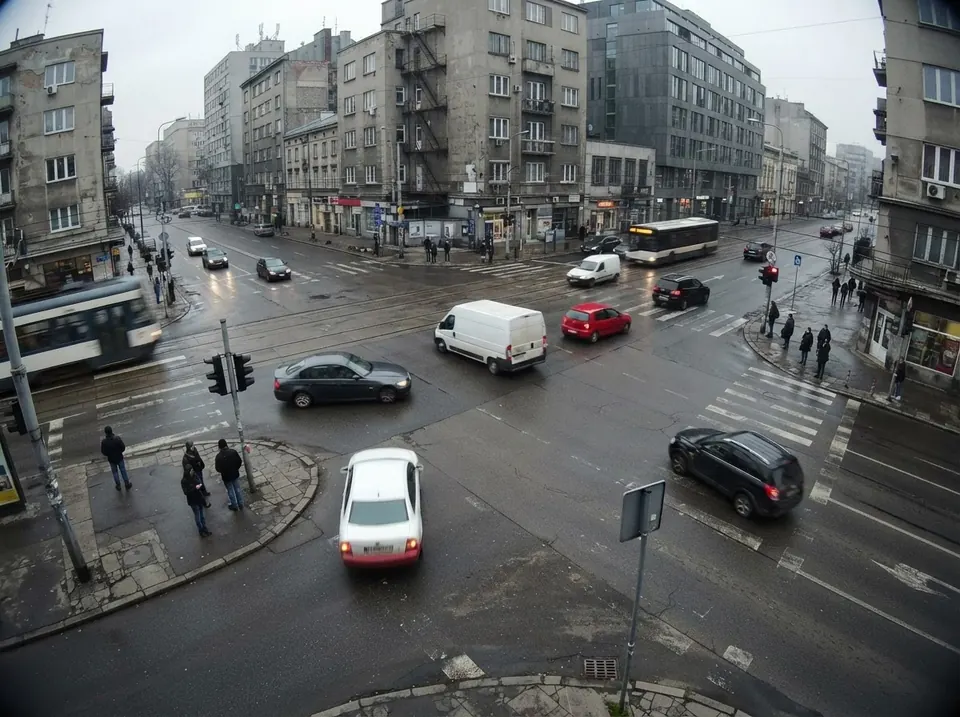 VideoFrame 0247
- Cited in court rulings
- Expert witness in Israeli courts
- B.Tech, LL.B, registered engineer
- Available across Israel
Areas of expertise
Any examination that advances the client’s case can be turned into an expert opinion the client can submit to court. When the findings do not support the client’s claims, they are passed on to the client or their lawyer, and an opinion is usually not needed.

Recording authenticity
Was the recording edited, cut or forged? Does it faithfully reflect the meeting or the event as it happened? A detailed examination of the file and of the recording device, setting out the findings and drawing the conclusions accordingly.
Learn more
Voice and speaker identification
Is the voice heard in the recording under examination (the suspect recording) really the voice of the specific person it is compared against?
Learn more
Photo and image authenticity
An examination to expose editing and forgery in images, both by comparing and deciphering details in the photo and by examining the file's technical characteristics (metadata). Also used to examine forged images and documents, differences and changes, and in identifying suspects.
Learn more
Video and security camera analysis
Image enhancement, timing and synchronising events from several recording sources, examining and identifying details not visible in normal viewing using zoom and slow playback, through to extracting specific frames from the video into images that show the event step by step, frame by frame.
Learn more
Crime scene analysis from footage
Reconstructing what happened at a crime scene from the photos and videos that captured it, whether from private, municipal or police security cameras, mobile phones and more.
Learn more
Professional photography of damage and scenes
Professional documentation of damage and of scenes, using advanced documentation technology, from specialised camera equipment to aerial drone footage, for professional presentation in court.
Learn more
Accident analysis from footage
Analysing accidents (road, work and personal accidents) from video footage, including examining and analysing the speed of vehicles and pedestrians, producing comprehensive videos of the event in slow motion and frame by frame, through to filming reconstruction videos.
Learn more
Noise filtering in recordings
Improving audio quality and filtering noise in recordings made in difficult conditions, so the speakers' words can be heard better and the conversation between them can be transcribed.
Learn more
Areas of activity
- Criminal lawMurder, manslaughter, aggravated assault, causing death by negligence, fights, obstruction of justice, extortion, fraud.
- Road accidentsAnalysing accidents from security camera footage, from locating the point of impact to filming a reconstruction on site.
- Medical negligence and accidentsMedical negligence, medical bureaucracy and denial of patient rights, injuries and accidents.
- Insurance casesRoad accidents, property damage, work injuries, National Insurance claims, fires and natural damage.
- Business and companiesFraud, business disputes, scams and copyright infringement.
- Family lawInfidelity, divorce cases, wills and inheritance.
- Employment lawEmployer and employee relations, discrimination, abuse of position, sexual harassment and dismissal in unusual circumstances.
- Internet and dataDecoding and analysing digital information, even when it is hidden or encrypted in files or online.
- Projects and construction defectsProject progress, deviations and construction defects, and professional photography to prove damage.
Also:Legal consultingExpert witness and opinionsMediationArbitration
Cases where the evidence changed the picture
All cases (Hebrew)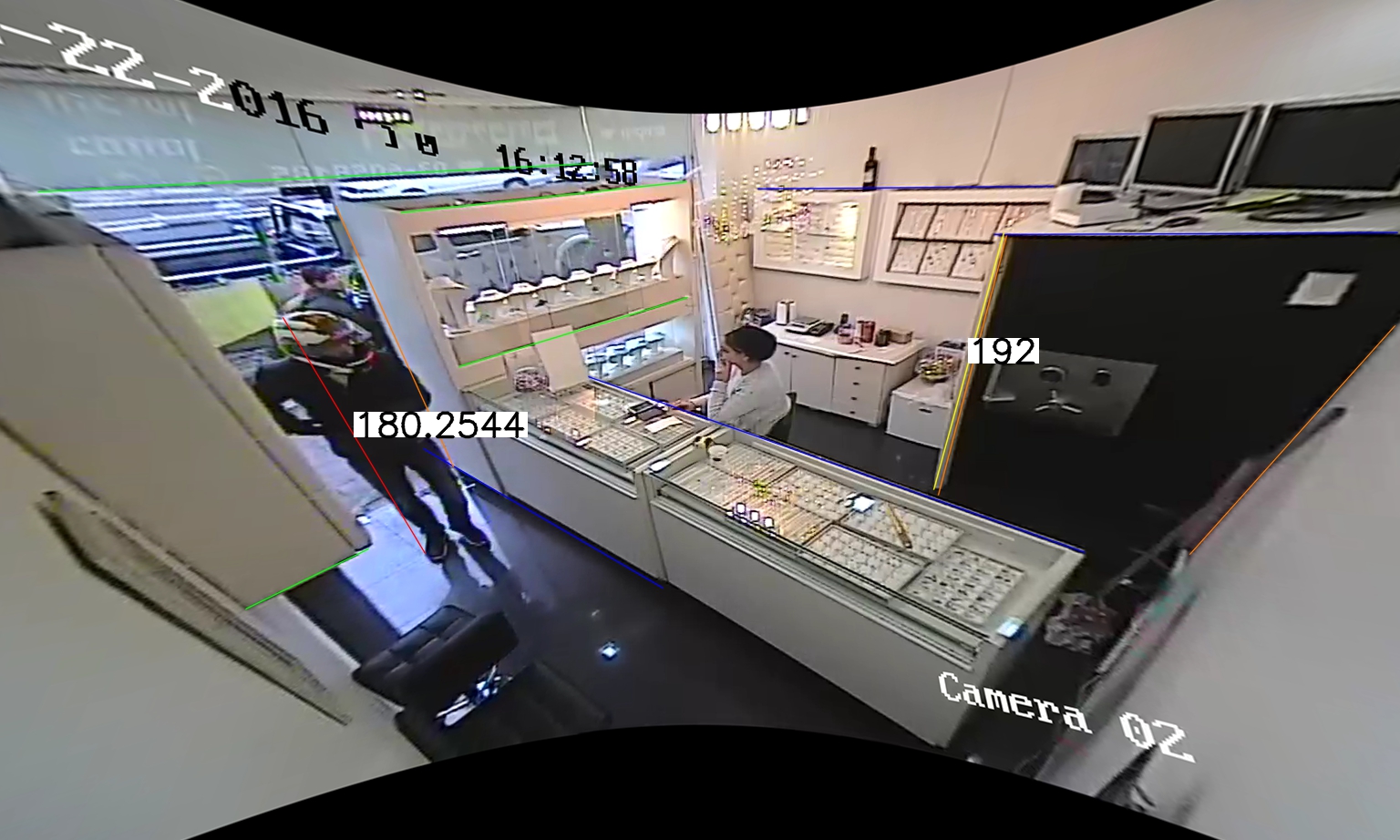
Security camera video analysis in a robbery case
In a robbery case in which the defense attorney represented several co-defendants, only two masked, gloved robbers were actually present at the robbery. It was an established fact that there was a significant height difference of about 10 cm between the defendants. Even so, at first glance the security camera footage gave the impression that the robbers who came through the jewelry store door were almost the same height. All that remained was to measure their height and determine which of the defendants was the one present at the robbery, and which was at most suspected (and, in the end, also convicted) only of aiding.
Learn more
Attended a Torah scroll dedication at a synagogue and was spared lengthy detention
Avi Luz, who had sold his car and delayed transferring ownership, found himself remanded in custody until the end of proceedings for trafficking in a dangerous drug. This was after the car was seen during a police raid on drug activity in Bat Yam, while Avi Luz was in fact attending a celebration for the dedication of a Torah scroll in the Hatikva neighbourhood. How can a person prove their innocence and their alibi when the police and the prosecution raise all manner of claims against them and call the event photographer to testify that he began filming later than the time at which events actually took place?
Learn more
Precedent-setting ruling against Eliezer Berland
Three major rabbinical courts in Israel published a strongly worded ruling against Eliezer Berland, leader of the 'Shuvu Banim' community, calling on the public to keep away from him. During the proceedings, they sought an expert examination of videos submitted to them as part of the evidence. Notably, this was a rare, one-time union of the three main rabbinical courts of the Haredi public, a union without precedent in history. In the end, they issued and published a detailed booklet setting out the grounds of this exceptional ruling (attached).
Learn more
The security camera that saved the Mosazada brothers from wrongful detention
Two brothers, Eyal and Boaz Mosazada, were arrested following a false complaint filed against them by relatives with whom they had a long-running family dispute. Without the security camera that recorded the street and their route to their parents' home that day, they would very likely have faced a lengthy period of detention and even a criminal conviction. Analysis of the security footage left no doubt that the complaint was false, and the case was closed. This case shows how important camera footage is in situations where a false complaint can easily develop into a wrongful conviction.
Learn more Criminal
PIID case: Tarek Abu-Laban and the alleged assault by police officers
An East Jerusalem resident complained that he had been assaulted by police officers. As evidence, he presented a mobile phone video showing the blows. The Police Internal Investigations Department (PIID) accepted his version and presented the video as evidence. But a laboratory examination showed that the images had been filmed two years before the alleged assault.
Learn more Criminal
The Zadorov affair - police conduct and technical surveillance
In the trial of Roman Zadorov, accused of murdering the late Tair Rada of Katzrin, we were asked by his defence counsel, Adv. David Spiegel, to examine the police recordings and technical surveillance from the interrogations of the defendant Roman Zadorov. These examinations produced findings that raise many serious questions about the authenticity of the materials presented by the police and the prosecution in this case, grave findings that also cast a large question mark over his conviction.
Learn more Political
The double-voting affair in the Knesset (Hazan - Braun)
New findings came to light in the affair through a preliminary expert opinion by Doron Baldinger, after he obtained, under a court order, the source recording of the Knesset plenum from the day of the affair, 28.05.03. Once the recording had undergone sound enhancement to filter out noise and amplify the voices of the speakers in the plenum, new details emerged about who was really involved in the double-voting offence. So which MK actually voted in place of MK Inbal Gavrieli?
Learn more Criminal
Crime scene analysis in an attempted murder case
A suspect in an attempted murder was held in custody for about a month. After reviewing the testimony of one of the people involved and comparing the different versions of his statements to the police, we examined files obtained from the security cameras of a kiosk located at the scene. After studying the case and reconstructing the course of events as shown by the security cameras, we were able to establish the truth and discover what had actually happened.
Learn more
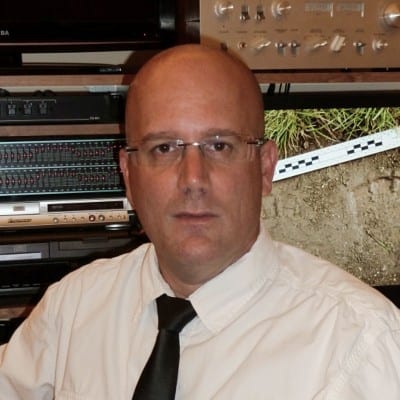
Doron Baldinger
Electronics engineer and lawyer, specialising in recorded evidence and criminal law. Submits expert opinions and testifies as an expert witness in criminal and civil cases. Runs a recording and editing lab for evidence analysis.
- Electronics engineer, communications (listed in the Israeli Register of Engineers)
- LL.B, criminal law track (Sha’arei Mishpat)
- Certified expert witness and arbitrator (Israeli Institute for Expert Opinions and Arbitrators)
- Private investigator programme (National Unit for Investigations and Security)
- Certified mediator
- Licensed drone pilot with a range of drones for different kinds of documentation
What people say about us
All recommendation letters (Hebrew)
“The unequivocal findings showed that the speaker in the recording was not the client, and that it was indeed an impostor! The findings paved the way for the Israel Electric Corporation to withdraw its demand for payment and for the case to end in a settlement.”
Barak Siman Tov, Udi KramerAdv., Kramer - Siman Tov 
“You opened my eyes to a new world of possibilities, and I can certainly say that after working with you I am a better lawyer by several degrees.”
Dekel-David OzerAdv., Ozer, Amoudai, Arbel & Co. Law Offices 
“Thank you very much for your professional work, which helped me bring the truth to light, a truth that lay hidden in a poor-quality image until you applied your skill and diligence.”
Yarom HaleviAdv., Yarom Halevi Law Office 
“When Doron began talking with me and explaining the nature of the work, and even showed me some of the systems he works with, I realised that he is simply a professional in his field.”
Eran LeviCEO, I Spy – Equipment and Investigations 
“Doron Baldinger, an electronics and communications engineer of such a high calibre”
Moka KriegerSherlock – Quality Investigations 
“Your investigation and work on the matter contributed greatly to my full acquittal, which I won on appeal at the Jerusalem District Court, by three judges unanimously!”
Shimon Shimoni 
“This move was the smartest choice I made in this case. Doron showed remarkable and exceptional creativity: he took the document apart and found no fewer than 4 conclusive proofs that the document was forged.”
Israel Amsalem 
“Evidence in the form of security videos requires first-rate professional treatment... a skilled expert for this, Doron Baldinger of AVidence, is able to identify the telling detail in security videos even when they are of poor to murky quality, and thereby bring about an acquittal”
Avi Amiram Amara 
“Doron stepped in immediately and, with commendable professionalism, provided courteous service, professional beyond description, all thanks to his determination and his desire to help me bring justice to light”
Tami D. 
“The combination of Doron's legal education and technical education is a perfect combination for the work he does.”
Zvi Frisman 
“Doron gave us amazing treatment and service! With excellent professionalism and wonderful patience.”
Client (name withheld) 
“Doron is a talented professional, a person of quality who carries out his work from start to finish, until the truth is uncovered.”
Smadar Kahlon 
“I must say, and any further word would be superfluous, that you truly are a talented, professional and courteous person.”
Oded Hochhauser
How the process works
Four stages, from the first contact to the courtroom.
Contact
Tell us briefly about the case, what stage the investigation or legal proceedings are at, and what evidence you have. You can use WhatsApp or the form, but we recommend simply picking up the phone during business hours.
- What you need
- A short description of the case and the type of material: a recording, a video, a photo, a document…
- How long
- A few minutes.
Initial review
An initial review can be a short phone call, or in more complex cases, a proper consultation meeting can be scheduled to go through the materials together.
- What you need
- A copy of the file, or a description of it if you do not have it yet.
Lab analysis
We work on the source files or the original copy and document every action, so that the findings can later be presented transparently to the court: authenticity examination, quality enhancement, synchronisation and timing across multiple sources, event reconstruction and more.
- What you need
- The recording device or the original file properly preserved on media, or at the very least a true copy of the original recognised as such by the court under the best evidence rule, and in any case not a copy passed between parties on WhatsApp.
- How long
- Depends on the volume of material. Urgent cases get priority.
Opinion and testimony
The entire course of the examinations, including the production of supporting materials, the findings and the conclusions drawn from them, is set out in a detailed, reasoned expert opinion written in accordance with the Evidence Ordinance. The whole process and its results are presented clearly to the court, and of course, when needed, the expert also appears at the hearing to testify under cross-examination.
- What you need
- Coordination with the lawyer on the hearing dates in the case.
- How long
- According to the schedule of the proceedings (including the cross-examination of opposing witnesses), and of course also subject to the client settling the fee.
Why AI tools do not replace an expert examination
Automated tools may perhaps be useful for initial screening. But AI will not come to court to testify, so it is not really a substitute for a real expert, and in any case, misusing these tools can also damage the evidence itself.
A result without an explanation
An AI tool gives a score or a conclusion but does not explain how it got there. A court needs a method that can be checked, repeated and cross-examined.
No one to testify
An expert opinion is signed by a person who stands behind it and is cross-examined on it. Software has no signature and gives no testimony.
"Enhancement" that invents details
AI enhancement tools fill in details that were not in the file: faces, digits, words. The result is no longer the original evidence.
Harm to the evidence and to privacy
Uploading a recording or video to an online service can change the file, break the chain of custody and expose sensitive material to a third party.
Frequently asked questions
A video or recording is being presented against me. What should I do?
Through your lawyer, approach the other side or the prosecution to obtain the original file, and indeed all of the source evidence, stored on media: not a copy or screenshots, and not sent via WhatsApp, which compresses the recordings or photos and degrades their quality. The work should properly be done only on the source files, or on those claimed to be the source (under the best evidence rule). That way it is possible to examine whether the file is authentic, whether it was edited or cut, what it can tell us about the alleged event, and whether the parties' claims are actually consistent with what is seen and learned from the body of evidence as a whole.
I have a recording that supports my version of events. How do I preserve it?
Keep the original recording file (preferably backed up on “closed” media that cannot be erased or altered; for this purpose a burned disc is better than a portable USB flash drive). In general, it is always better and more correct to keep the data on the original recording device, and under no circumstances start transferring files via WhatsApp, which alters and degrades their quality, compresses them and sometimes even changes the format of the source file. The original file, as saved and held on the recording device, can make it easier to prove that the recording is authentic.
There is security camera footage. What needs to be done immediately?
Save the clip immediately (by “extraction”, meaning a direct copy from the device's memory to media, not by saving it over the network to a third-party device, filming a computer screen with a third-party device, and the like). Always save and back up the footage file at maximum quality, the quality of the source. It is also important to remember that time is running out: security systems record on a FIFO basis, so newly recorded material “overwrites” old material. In other words, as long as the DVR keeps running and recording, new footage “overwrites” old footage, which is simply erased. It is therefore very important to back up the footage as quickly as possible, and in special cases and/or complex cases it is even advisable to disconnect the system and “freeze” its state, so that it does not keep recording and erase older material: set aside the DVR holding the evidence of the incident, and install another device in its place to keep recording the cameras.
What should be collected after an accident, a fire or an incident?
Every piece of footage that can show what happened. That means every photo and video that exists and was captured at the scene, including security cameras of businesses or private buildings, municipal and other cameras, and even the phones of witnesses who were at the scene and/or bystanders. Any piece of footage may be critical to analysing the case. This material can be used to decode the scene and reconstruct exactly what happened, including the order of events. Sometimes, when cameras cannot be secured right away, it is worth keeping a list, and even photographing where there are cameras overlooking the scene, and noting who the relevant witnesses are for testimony and for collecting footage, including their contact details. All of this so that the relevant parties can be approached and the evidence collected.
What should a lawyer send to an evidence expert?
All of the recorded material itself, including related documents such as relevant memos, extraction, seizure and marking reports, viewing reports, the expert opinions of the other side's experts if there are any, and any other detail or document that refers to this recorded material (for example an indictment and/or testimony that can be examined against the footage that was seized).
Can an AI tool check whether a recording has been edited?
An AI tool can give an initial indication, but not a finding that can be submitted to a court. Its output is a probability without an explained method, and it varies between tools and between versions. An authenticity examination for court relies on a documented examination of the original file, the file's data and the device that made the recording, and in particular also on examination of the content itself, not just metadata or digital characteristics. Some findings can be proven in the content itself. AI tools usually do not address examination and comparison of the content itself at all, and focus more on data drawn from the characteristics of the digital file.
An initial review of your evidence
You can send a detailed inquiry, but we recommend calling for a free initial phone consultation. Every inquiry is kept strictly confidential.
or call 054-421-2424